
The Council of Media Ethics Macedonia (CME) highlights the importance of responsible reporting regarding events such as the protests that followed the entry into force of the “Safe City” traffic control system.
When the media reports on protests or incidents related to marginalized communities, especially when demands are made that are contrary to the law or may threaten public safety, it is important to cover the broader picture, rather than just report on the event.
Distance in reporting is a moral imperative, but it is not enough: journalists and editors have an obligation to clearly state what is unacceptable, but also be careful not to turn this into collective condemnation or stigmatization.
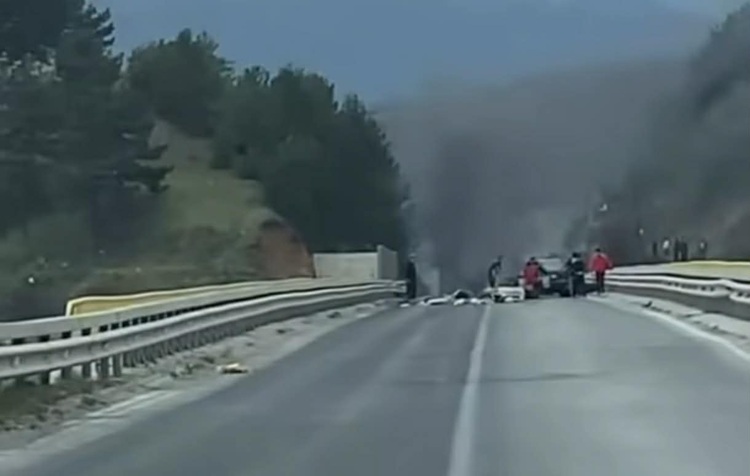
At the same time, abandoning restraint through sensationalist approaches, oversimplified narratives or emphasizing identity markers further increases the risk of polarization and hate speech.
It is therefore important to carefully choose headlines, wording and visual materials, especially when it comes to topics that are clearly known in advance to provoke strong and polarizing reactions.
Sensationalism and generalizations, even when unintentional, change the way the topic is read and commented on in public and lend legitimacy to stigmatization.
The goal is not to relativize laws or justify controversial demands, but to keep public debate focused on solutions, accountability and the public interest, rather than deepening divisions.