
Representatives of the Media Ethics Councils of the Western Balkans and Turkey recently gathered at a regional meeting in Sarajevo to explore the challenges faced by self-regulatory media bodies and come up with ways to adjust to the rapidly-evolving media landscape.
Topics on the agenda included the long-term financial sustainability and independence of self-regulatory bodies, monitoring the technological developments and the use of new artificial intelligence tools in journalism, the role of media ethics bodies towards influencers and other content creators, as well as the mechanisms arising from the EU regulation for filing complaints in case of violation of the professional standards in online platforms.
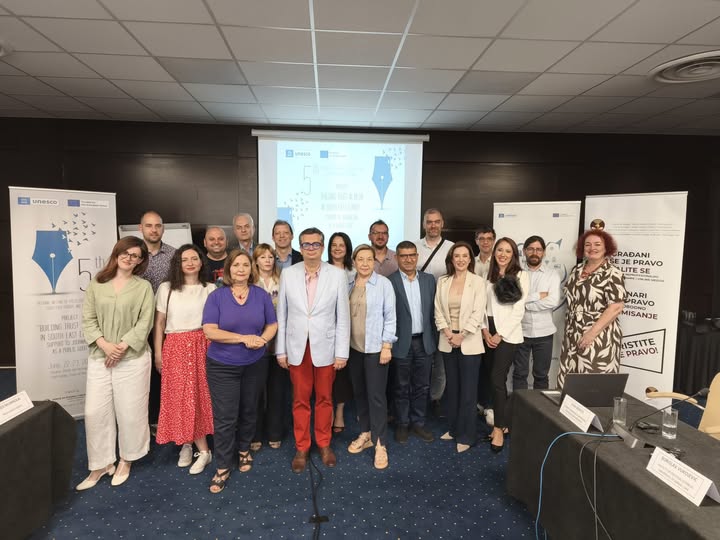
The Ethics Councils from Bosnia and Herzegovina, North Macedonia, Montenegro, Serbia, Kosovo, Albania and Turkey, united under the project “Building Trust in the Media in South-East Europe: Supporting Journalism as a Common Good” for several years now, supported by UNESCO and funded by the European Union, will continue to act in the defense of citizens against any irresponsible and unprofessional journalism, but also in defense of media freedom against political and business pressures, all the while protecting its independence and long-term sustainability.
A special session during the two-day meeting was dedicated to the new EU regulation on digital platforms and media – the Digital Services Act (DSA), the Digital Market Act (DMA) and the European Media Freedom Act (EMFA). In this context, in front of the participants of the meeting, the international expert on freedom of speech and media regulation, Dr. Joan Barata pointed to the possibilities for strengthening the role of self-regulatory bodies in accordance with EU standards, adding that even large online platforms should more clearly recognize the role of professional media, their editorial standards and mechanisms for assuming responsibility.
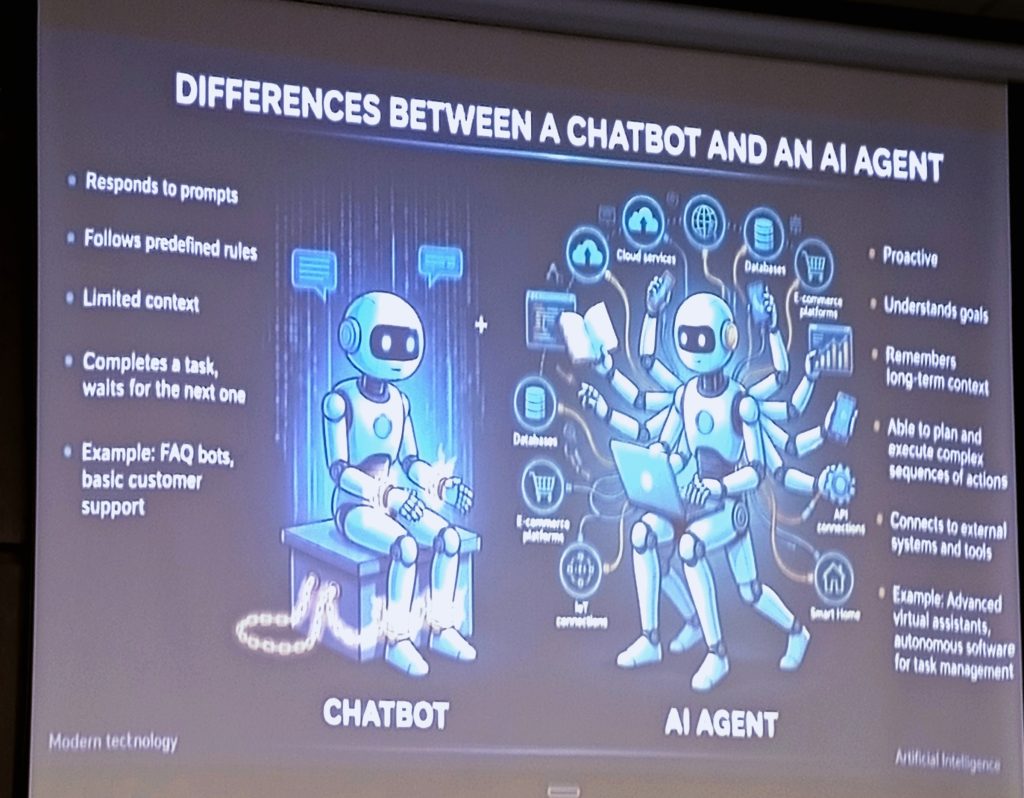
For his part, Professor Dr. Borislav Vukojević, from the Faculty of Political Science in Banja Luka, at the session titled “Artificial Intelligence, Ethics in Journalism and the Role of Self-Regulatory Bodies in the Western Balkans in the Future” – aroused particular interest with his presentation on the possibilities for advanced use of AI in the newsrooms, emphasising the need of regular training for journalists and other media workers to successfully keep up with technological developments, as an added value to the profession.
Representatives of self-regulatory bodies expressed different views regarding their possible role in relation to influencers, who are becoming the main source of information for young people in certain countries, and indeed have significant influence on the time of sources. While some advocate for mapping out and engaging with some of the content creators in the online space, others believe that the media and influencers have nothing in common when it comes to professional standards, which is why Media Ethics Councils should not expand their scope of action.
The fifth regional meeting of media self-regulatory bodies in the Western Balkans and Turkey reaffirmed how necessary cooperation in the region is, towards the goal of more responsible journalism and protection of the public interest, at a time when the media are facing political and economic pressures, rapid technological changes, AI-generated content and a shift in the way audiences access information.